Skip to content
POURCRAFT BAR

ICED TEA

Iced Hibiscus Tea

Twelve parts water to one part dried hibiscus, brewed strong on purpose because the ice is going to take a share of it.

  • 12Water86%6 cups
  • 1Dried hibiscus7%1/2 cup
  • 1Syrup7%1/2 cup, to taste
Ice
Standard cubes
Glass
Tall 12–16 oz glass
Serves
8
Garnish
A lime wheel

Ingredients

Batch size

8 servings
  • 1/2 cupdried hibiscus flowers (about 20 g)Swap: 6 hibiscus tea bags, which are milder and want a slightly longer steep
  • 6 cupswater
  • 1/2 cupsimple syrup, adjusted to tasteSwap: Honey syrup, which softens the sharp edge
  • 1lime, in wheels, for serving
  • 8glasses of standard ice cubes

Method

  1. Brew it stronger than you want to drink it

    Ice in eight glasses will add close to a cup and a half of water to the finished batch by the time it is all drunk. Brewing to final strength means the last glass is noticeably weaker than the first.

  2. Steep off the heat

    15 minutes, covered

    Bring the water to a boil, take it off, then add the flowers. Hibiscus held at a rolling boil turns sharp and slightly stewed rather than tart and clean.

  3. Strain while hot and sweeten immediately

    Syrup stirred into hot tea distributes evenly in seconds. Added once the tea is cold, it takes real stirring and tends to settle at the bottom of the pitcher anyway.

  4. Cool it down before it goes near ice

    About 3 hours refrigerated, or 30 minutes in an ice bath

    Get it to refrigerator temperature before serving. Pouring warm tea over ice is the single most expensive habit on any iced-drink station in terms of how much ice it burns through.

  5. Add lime at the glass, not in the pitcher

    Lime in the pitcher goes bitter over a few hours as the oil in the skin leaches out. A wheel dropped into each glass is fresher and gives people the choice.

The one thing that ruins it

Letting the flowers sit in the pot while the tea cools down. Past about twenty minutes hibiscus turns from tart to astringent, and the drying, chalky finish that produces cannot be sweetened away.

Tools you actually need

If you need one

01Fits the most drinks
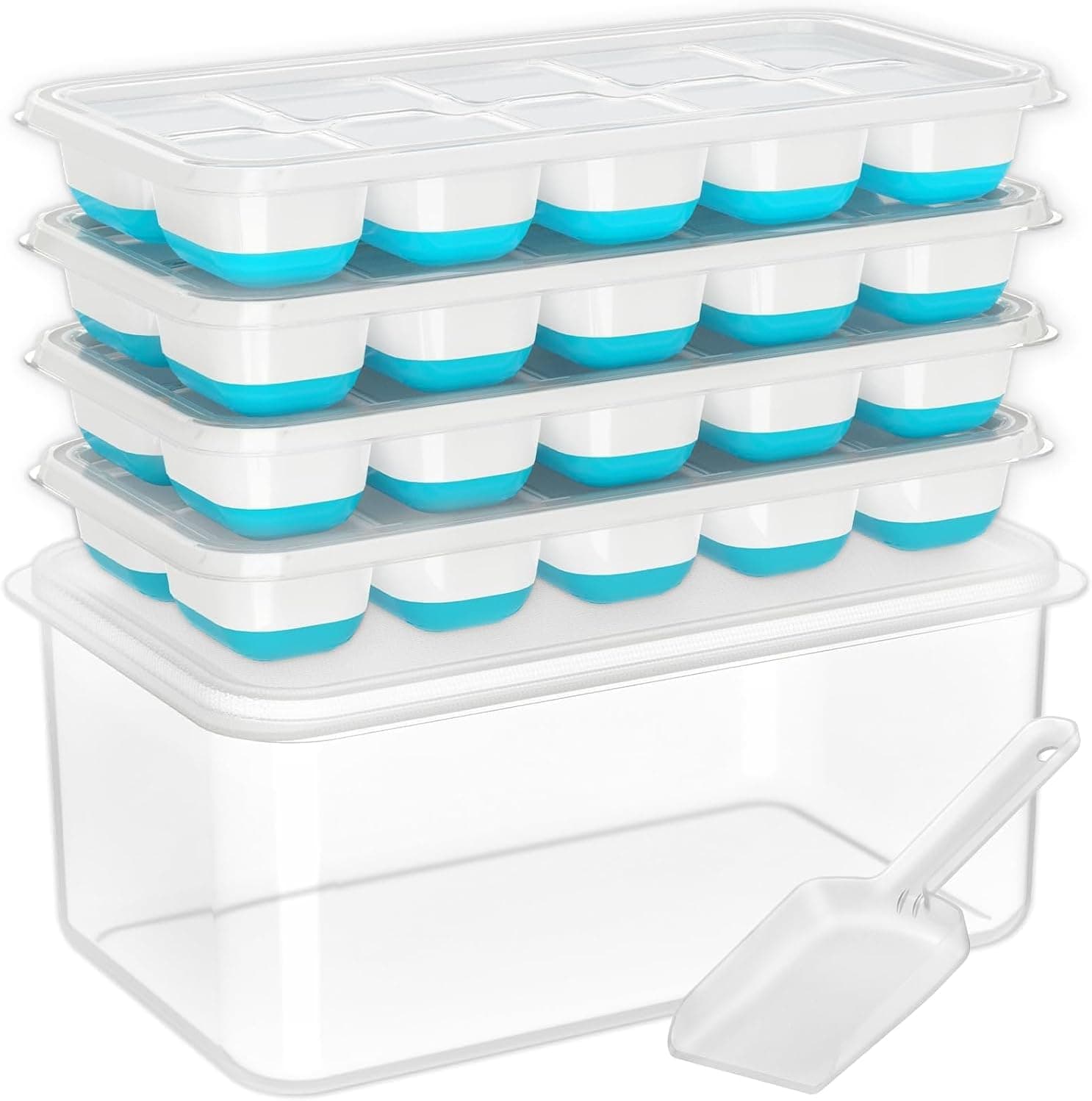
DOQAUS Ice Cube Trays with Lid & Bin, 4-pack

DOQAUS

DOQAUS Ice Cube Trays with Lid & Bin, 4-pack

Four silicone trays with lids plus a bin and scoop, producing the standard cube that ten of the eighteen recipes on this site call for — more than large cubes and pebble ice combined, and eleven once you count the iced latte that takes either. Four trays plus a bin is also what makes a rotation possible, and freezing time rather than tray count is the real constraint on a home bar.

Best for
The default ice for this site — iced coffee, tea, lemonade, sodas, agua fresca
Key spec
Silicone, stackable with lids, bin and scoop included
  • Standard cubes suit ten of the eighteen recipes here, and fit a lidded to-go cup
  • Four trays keep a rotation going, which matters because a fill takes hours
  • Lids let the trays stack and keep freezer smells off the ice
  • The bin frees the trays to be refilled instead of storing finished ice
  • Standard cubes dilute faster than a large cube in a slowly sipped drink
  • Silicone trays flex, which makes carrying a full one to the freezer awkward
  • Four trays plus a bin needs real freezer-drawer space
View on Amazon

Technique behind this drink

Make it ahead, or batch it

The strained, sweetened tea is genuinely better on day two than on day one — the tartness rounds off. Keep it covered and refrigerated and check holding times against the cold-storage guidance linked from the batching technique page rather than judging by appearance; hibiscus stays vividly red long after it has stopped tasting like much.

This scales more gracefully than almost anything else on the site, and the thing to watch is dilution rather than flavor. Ice is the variable: eight glasses of standard cubes contribute roughly a cup and a half of water across an afternoon, so a batch that tastes exactly right in the pitcher will taste thin in the glass. Brew about a quarter stronger than the target and let the ice finish it. The second issue is sweetness, which reads lower cold than warm — sweeten the hot tea to what seems very slightly under, then taste again once it is properly chilled and adjust before serving rather than after.